LL-37
The body's elite antimicrobial peptide.
Ricerca Clinica & Dati Disponibili
Dettagli analitici di laboratorio & riferimenti.
Seleziona Concentrazione (Per Flacone)
Seleziona Quantità
* Venduto solo come confezione intera da 10 flaconi. Ordine minimo: 1 Confezione.
ℹ️ 1 Confezione contiene 10 flaconi da 5mg = 50mg total
Prezzo Totale (1 Scatola — 10 Flaconi totali)
📦 Dettagli Ordine: 1 Scatola (10 flaconi)
✨ Forza Totale: 50mg
💡 Aggiungi altri $60.00 per sbloccare la FREE Insured Courier Shipping (Save $52.00)!
⏱️ Durante stimata della fornitura
Quanto durerà la tua confezione da 10 flaconcini in base al dosaggio di ricerca?
Benefici Chiave
- Broad-spectrum action against bacteria, viruses, and fungi
- Essential for wound healing and immune defense
- Highly effective against biofilm-forming pathogens
Express Shipping to Europe 🇪🇺
Order now to receive by Jun 24 - Jul 1
Migliore alternativa a GLP-1
Sono passato a Retatrutide e la soppressione dell'appetito è su un altro livello. Ho perso quel peso ostinato che non riuscivo a perdere prima.
Purezza eccezionale
Ho provato altri fornitori di peptidi ma la qualità qui è di altissimo livello. La spedizione è stata veloce e il prodotto è perfettamente limpido.
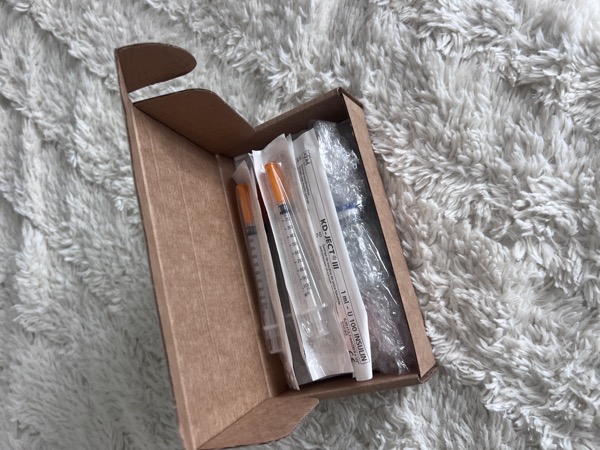
Arrivato in 3 giorni! Super veloce
"Velocità di spedizione incredibile per l'Europa. I flaconcini sono stati confezionati con estrema cura. La purezza è limpida."
Peptide rivoluzionario
I livelli di energia e la perdita di grasso che ho riscontrato con questo sono incredibili. Risultati di gran lunga migliori rispetto a quelli ottenuti con Tirzepatide.
Finalmente ho rotto il plateau
Questo peptide ha sbloccato il mio plateau di perdita di peso di 6 mesi. Ho zero pensieri sul cibo e mi sento benissimo tutto il giorno.
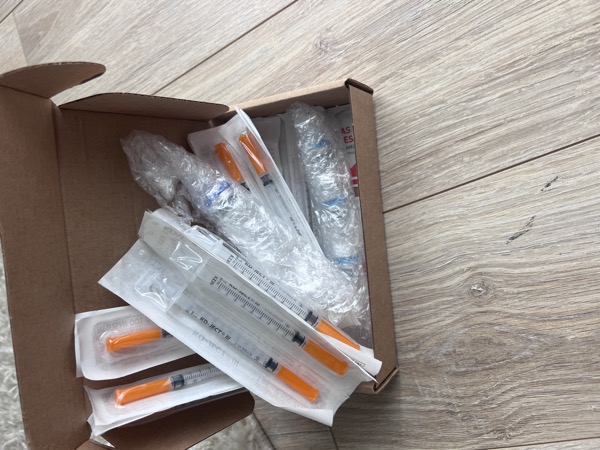
Spedizione sicura e massima purezza
"All'inizio ero scettico, ma questo è il vero affare. Sigillato sottovuoto, isolamento spesso. La soluzione è completamente limpida."
Qualità di prim'ordine
Molto colpito dalla velocità di spedizione e dalla qualità del prodotto. I benefici metabolici sono stati notati quasi subito.
Migliore alternativa a GLP-1
Sono passato a Retatrutide e la soppressione dell'appetito è su un altro livello. Ho perso quel peso ostinato che non riuscivo a perdere prima.
Purezza eccezionale
Ho provato altri fornitori di peptidi ma la qualità qui è di altissimo livello. La spedizione è stata veloce e il prodotto è perfettamente limpido.
Arrivato in 3 giorni! Super veloce
"Velocità di spedizione incredibile per l'Europa. I flaconcini sono stati confezionati con estrema cura. La purezza è limpida."
Peptide rivoluzionario
I livelli di energia e la perdita di grasso che ho riscontrato con questo sono incredibili. Risultati di gran lunga migliori rispetto a quelli ottenuti con Tirzepatide.
Finalmente ho rotto il plateau
Questo peptide ha sbloccato il mio plateau di perdita di peso di 6 mesi. Ho zero pensieri sul cibo e mi sento benissimo tutto il giorno.
Spedizione sicura e massima purezza
"All'inizio ero scettico, ma questo è il vero affare. Sigillato sottovuoto, isolamento spesso. La soluzione è completamente limpida."
Qualità di prim'ordine
Molto colpito dalla velocità di spedizione e dalla qualità del prodotto. I benefici metabolici sono stati notati quasi subito.
Migliore alternativa a GLP-1
Sono passato a Retatrutide e la soppressione dell'appetito è su un altro livello. Ho perso quel peso ostinato che non riuscivo a perdere prima.
Purezza eccezionale
Ho provato altri fornitori di peptidi ma la qualità qui è di altissimo livello. La spedizione è stata veloce e il prodotto è perfettamente limpido.
Arrivato in 3 giorni! Super veloce
"Velocità di spedizione incredibile per l'Europa. I flaconcini sono stati confezionati con estrema cura. La purezza è limpida."
Peptide rivoluzionario
I livelli di energia e la perdita di grasso che ho riscontrato con questo sono incredibili. Risultati di gran lunga migliori rispetto a quelli ottenuti con Tirzepatide.
Finalmente ho rotto il plateau
Questo peptide ha sbloccato il mio plateau di perdita di peso di 6 mesi. Ho zero pensieri sul cibo e mi sento benissimo tutto il giorno.
Spedizione sicura e massima purezza
"All'inizio ero scettico, ma questo è il vero affare. Sigillato sottovuoto, isolamento spesso. La soluzione è completamente limpida."
Qualità di prim'ordine
Molto colpito dalla velocità di spedizione e dalla qualità del prodotto. I benefici metabolici sono stati notati quasi subito.
Migliore alternativa a GLP-1
"Sono passato a Retatrutide e la soppressione dell'appetito è su un altro livello. Ho perso quel peso ostinato che non riuscivo a perdere prima."
Purezza eccezionale
"Ho provato altri fornitori di peptidi ma la qualità qui è di altissimo livello. La spedizione è stata veloce e il prodotto è perfettamente limpido."
Arrivato in 3 giorni! Super veloce
"Velocità di spedizione incredibile per l'Europa. I flaconcini sono stati confezionati con estrema cura. La purezza è limpida."
Aspetto del Peptide
Polvere liofilizzata bianca
Flacone sterile sigillato
Specifiche Tecniche
Approfondimento Scientifico & Ricerca
Description of LL-37
LL-37 is the most extensively studied human antimicrobial peptide. It is a 37-amino-acid cationic peptide naturally produced in the human body, predominantly by polymorphonuclear leukocytes, skin, bone marrow, neutrophils, and macrophages. Discovered in the late 1990s during investigations into the mechanisms of innate immunity, LL-37 is generated by proteolytic cleavage of a larger precursor molecule known as cathelicidin, which functions as a frontline defense against microbial pathogens.
This peptide is capable of eliminating bacteria, viruses, fungi, and molds, while also exerting anti-inflammatory effects. Furthermore, it promotes tissue repair and angiogenesis, making it a promising therapeutic tool in the treatment of chronic inflammation, autoimmune diseases, and cancer. Due to its ability to act against multidrug-resistant bacteria, LL-37 is also being investigated as a potential alternative to conventional antibiotics.
LL-37 possesses a dual mechanism of action: it disrupts bacterial membranes directly and simultaneously stimulates the immune response. In the context of studying these effects, a recombinant form of the peptide—GLL-37—was produced in E. coli using a proprietary expression system, yielding high quantities. However, this recombinant form did not exhibit antibacterial activity comparable to that of synthetic LL-37. The lack of efficacy was attributed to differences in secondary structure; specifically, GLL-37 adopted an α-helical conformation that hindered effective interaction with bacterial membranes. The study confirmed that the presence of a random coil structure, as found in native LL-37, is essential for effective membrane disruption.
Research Confirmed Effects
1. LL-37 and Inflammatory Diseases
Although LL-37 is primarily recognized as an antimicrobial peptide, growing evidence highlights its critical role in the pathophysiology of inflammatory and autoimmune disorders such as psoriasis, systemic lupus erythematosus, rheumatoid arthritis, and atherosclerosis. LL-37 exhibits diverse immunomodulatory effects depending on the inflammatory microenvironment. These include enhanced production of interferon-alpha (IFN-α) and interleukin-18 (IL-18), reduced apoptosis of keratinocytes, altered chemotaxis of neutrophils and eosinophils, and downregulation of Toll-like receptor 4 (TLR4) signaling. Of particular interest is the observed reduction in the volume of atherosclerotic plaques associated with its activity.
Experimental studies have shown that LL-37 modulates immune responses in a context-dependent manner, varying with the activation state of immune cells. For instance, LL-37 promotes a pro-inflammatory response in non-activated T lymphocytes, while paradoxically reducing inflammatory activity after their activation. This dual effect suggests a homeostatic role for LL-37 in fine-tuning immune responses, potentially preventing excessive immune activation in chronic inflammation and autoimmune diseases—contrary to earlier assumptions that it merely exacerbates these conditions.
On a molecular level, LL-37 influences monocyte differentiation into macrophages and promotes the pro-inflammatory M1 phenotype. It downregulates the anti-inflammatory cytokine IL-10 while enhancing IL-12p40 production and potentiating IL-1β-mediated signaling. Nevertheless, LL-37 also demonstrates significant anti-inflammatory effects, such as inhibiting cytokine responses to IFN-γ, TNF-α, IL-4, and IL-12. Additionally, LL-37 acts as a chemoattractant via the FPR2 receptor, inducing the migration of neutrophils, eosinophils, and keratinocytes, and supporting tissue regeneration. It activates transcription of the chemokine CXCL8 and stimulates the secretion of MCP-1/CCL2 and TGF-β, playing a key role in regulating inflammation and wound healing.
2. LL-37 and Antimicrobial Activity
LL-37 is a key component of the skin's innate immune system, activated as one of the first lines of defense in response to infection. While levels of LL-37 and other antimicrobial peptides such as human beta-defensin 2 (HBD-2) are minimal in healthy skin, they markedly accumulate in inflammatory skin conditions such as psoriasis. Immunohistochemical analysis of skin biopsies has demonstrated high expression of LL-37 and HBD-2 in the epidermis of psoriasis patients, in contrast to significantly lower levels observed in lesions from individuals with atopic dermatitis. These differences have been corroborated by immunodot blot, Western blot, and quantitative RT-PCR, with psoriatic lesions showing substantially elevated mRNA expression for both peptides. Antimicrobial activity assays revealed that the combination of LL-37 and HBD-2 exerts a synergistic effect in eradicating Staphylococcus aureus. These findings suggest that insufficient production of antimicrobial peptides, including LL-37, may be a critical factor contributing to the increased susceptibility of atopic dermatitis patients to bacterial skin infections.
The peptide primarily exerts its effects by binding to lipopolysaccharide (LPS), a key component of the outer membrane of Gram-negative bacteria, thereby disrupting membrane integrity and demonstrating potent antimicrobial activity. This mechanism makes LL-37 a promising candidate for the treatment of severe bacterial infections and sepsis. Studies have shown that even truncated fragments of LL-37 lacking the hydrophobic N-terminal amino acids (fragments 106 and 110) retain both antimicrobial and LPS-neutralizing properties while exhibiting reduced cytotoxicity toward human cells and maintaining efficacy in the presence of serum. These findings highlight the potential of modified LL-37 derivatives as therapeutic agents with lower cytotoxic profiles.
LL-37 demonstrates antimicrobial activity not only against Gram-negative but also Gram-positive bacteria, enhancing the effect of lysozyme against Staphylococcus aureus. In addition to its ability to bind and neutralize LPS, LL-37 holds therapeutic promise in the management of sepsis. However, its clinical application is currently limited by toxicity and diminished activity in serum-rich environments. Research indicates that the modified LL-37 fragments (106 and 110) preserve antimicrobial efficacy and LPS-neutralization, while being less toxic and less susceptible to serum inhibition, making them attractive candidates for therapeutic development
3. LL-37 and Pulmonary Diseases
Lipopolysaccharide (LPS), present not only in bacteria but also in various environmental organisms including fungi, represents a significant pro-inflammatory stimulus that plays a key role in the pathogenesis of respiratory diseases such as asthma, chronic obstructive pulmonary disease (COPD), and hypersensitivity pneumonitis following inhalation. In response to LPS, airway epithelial cells produce antimicrobial peptides, including LL-37, which, in addition to its bactericidal activity, exhibits several immunomodulatory properties such as stimulation of angiogenesis, epithelial cell proliferation, wound closure, and cytokine release. LL-37 also neutralizes LPS, thereby reducing its pathogenic potential. Given these properties, inhaled administration of LL-37 is being investigated as a potential therapeutic approach for organic dust toxic syndrome and other inflammatory lung diseases.
The only cathelicidin expressed in humans, LL-37 plays a crucial role not only in antimicrobial defense but also in the repair and regeneration of the respiratory epithelium. Studies have demonstrated that this peptide promotes epithelial cell proliferation and migration, significantly contributing to wound closure and the restoration of tissue integrity. LL-37 facilitates the healing of mechanically induced lesions in airway epithelial cells, with its effect being serum-dependent and mediated through signaling pathways involving the epidermal growth factor receptor (EGFR), G-protein-coupled receptors, and the MAP/ERK kinase cascade. Moreover, LL-37 enhances angiogenesis, thereby improving nutrient delivery to newly formed tissue. These properties suggest that LL-37 functions as a homeostatic regulator in the airways, where it not only modulates immune responses but also supports the structural and functional integrity of the pulmonary epithelium.
4. LL-37 in Arthritis
Research focusing on the role of the cathelicidin LL-37 in the pathogenesis of rheumatoid arthritis (RA) indicates its marked upregulation in the synovial membranes of affected joints. Elevated expression has been particularly observed in neutrophilic granulocytes, macrophages, and osteoclasts, suggesting a strong association between the presence of the peptide and ongoing inflammatory processes. Similar findings have been confirmed in experiments using pristane-induced arthritis in rats, where increased levels of rCRAMP (the rodent equivalent of LL-37) were correlated with granulocyte accumulation, enhanced apoptosis, elevated IFN-α levels, and autoantibody production. Despite these observations, there is no definitive evidence that cathelicidins are a direct cause of the disease. Their increased presence may instead reflect a consequence of the inflammatory response, potentially representing an attempt by the organism to modulate inflammation.
Further studies suggest that the absence of LL-37 or its murine analog CRAMP does not influence the progression of rheumatoid arthritis (RA) or systemic lupus erythematosus (SLE) in animal models. In CRAMP-deficient mice, no significant differences were observed in serum cytokine levels, autoantibodies, or the expression of interferon-stimulated genes compared to control animals. Similarly, no differences were found in the severity of inflammation, cartilage damage, or bone erosion. These results support the hypothesis that reactivity to LL-37 in autoimmune diseases is an epiphenomenon, resulting from the massive overproduction of the peptide in affected tissues, with the peptide itself playing no causal role in the development of the disease. Furthermore, it is likely that other cationic antimicrobial peptides may functionally compensate for its absence.
Experimental studies in mouse models of rheumatoid arthritis (RA) have demonstrated that peptides derived from human cathelicidin LL-37, particularly the peptide IG-19, exhibit significant therapeutic potential. Administration of IG-19 to affected joints resulted in the alleviation of clinical symptoms of arthritis, a reduction in collagen type II-specific antibodies, as well as decreased infiltration of inflammatory cells and protection of cartilage tissue. These effects suggest that LL-37 and its derivatives may play a protective role during inflammatory diseases, likely due to their anti-inflammatory and immunoregulatory properties. Unlike other cathelicidin derivatives, such as IDR-1018, the effect of IG-19 was specific and biologically active, highlighting the importance of sequence- and functionally tailored peptides in the development of alternative therapies for inflammatory diseases.
Further findings suggest that LL-37 and IG-19 attenuate inflammation mediated by interleukin-32 (IL-32), a cytokine closely associated with the severity of rheumatoid arthritis (RA). In vitro studies on human peripheral blood mononuclear cells (PBMCs) demonstrated that these peptides significantly suppress the production of pro-inflammatory cytokines, such as TNF-α and IL-1β, while concurrently enhancing the secretion of the anti-inflammatory cytokine IL-1RA. Mechanistically, it was shown that LL-37 and IG-19 modulate signaling pathways mediated by Src kinase and activate the dual phosphatase MKP-1, known as a negative regulator of inflammation. These findings provide a strong foundation for the development of targeted peptide-based therapies that could effectively regulate inflammation without compromising the natural immune defense, which is crucial in the treatment of autoimmune diseases such as RA.
Research also indicates that Toll-like receptor 3 (TLR3) plays a significant role in the development and exacerbation of rheumatoid arthritis (RA) through the activation of synovial fibroblasts (FLS), particularly when stimulated by T cells. Increased expression of TLR3 leads to elevated production of pro-inflammatory cytokines, such as IL-6 and IFN-β, as well as matrix metalloproteinases, thereby promoting inflammation and joint tissue damage. Activation of TLR3 by poly(I:C) synergistically worsened arthritis in rats, while its blockade resulted in a reduction of inflammatory manifestations. LL-37, a host defense peptide that can have both pro-inflammatory and anti-inflammatory effects, binds to other Toll-like receptors, such as TLR4, and has demonstrated the ability to selectively suppress inflammatory responses in macrophages. In experimental studies, it reduced the production of TNF-α and NO in polarized macrophages without impairing their phagocytic or antimicrobial activity. This suggests that LL-37 may have therapeutic potential in arthritis, particularly in relation to its ability to target inflammatory responses without compromising key immune cell functions, although its specific effect in the context of TLR3 remains insufficiently explored.
5. LL-37 Research in the Context of Coloteral Cancer
Studies on the effects of LL-37 in the context of cancer have yielded mixed results – while in some types of tumors, such as lung, breast, or prostate cancer, LL-37 promotes tumor growth, in others, such as colorectal cancer, gastric cancer, hematological malignancies, or oral squamous cell carcinoma, it exhibits anticancer effects. These divergent responses are likely due to the activation of different membrane receptors on the surface of cancer cells, which mediate tissue-specific responses. Of particular interest is the relationship between LL-37 and vitamin D, which induces its expression and thereby enhances the antitumor activity of tumor-associated macrophages (TAM), including increased antibody-dependent cytotoxicity (ADCC). This mechanism may explain the positive impact of vitamin D on reducing the risk of gastrointestinal cancer and suggests that LL-37 could play an important protective role in colorectal and gastric cancers.
6. LL-37 in Angiogenesis
The peptide LL-37 plays a significant role in promoting blood vessel growth (angiogenesis). Research has shown that LL-37 stimulates the synthesis of prostaglandin E2 (PGE2) in endothelial cells via the cPLA2→COX-1→PGE2 pathway, leading to the activation of the EP3 receptor and subsequent angiogenesis. This synthesis is dose-dependent and peaks approximately 4 hours after LL-37 administration. Unlike other inflammatory mechanisms, this process primarily involves cyclooxygenase COX-1, rather than COX-2, which is confirmed by its sensitivity to aspirin inhibition. This pathway represents a double-edged sword – it promotes wound healing and tissue regeneration but may also facilitate pathological blood vessel growth, such as in tumors. Therefore, the LL-37/COX-1/PGE2/EP3 axis appears to be a potential target for therapeutic interventions in diseases associated with excessive or insufficient angiogenesis.
📚 Academic References & Citations
- Antonín Pavelka, Lukáš Vacek, Adam Norek, Šárka Kobzová, Lubomír Janda, „Recombinant production of human antimicrobial peptide LL-37 and its secondary structure“, Volume 79, pages 263–273, (2024)
- J. M. Kahlenberg and M. J. Kaplan, “Little peptide, big effects: the role of LL-37 in inflammation and autoimmune disease,” J. Immunol. Baltim. Md 1950, vol. 191, no. 10, Nov. 2013.
- D. S. Alexandre-Ramos et al., “LL-37 treatment on human peripheral blood mononuclear cells modulates immune response and promotes regulatory T-cells generation,” Biomed. Pharmacother. Biomedecine Pharmacother., vol. 108, pp. 1584–1590, Dec. 2018.
- P. Y. Ong et al., “Endogenous antimicrobial peptides and skin infections in atopic dermatitis,” N. Engl. J. Med., vol. 347, no. 15, pp. 1151–1160, Oct. 2002.
- C. D. Ciornei, T. Sigurdardóttir, A. Schmidtchen, and M. Bodelsson, “Antimicrobial and chemoattractant activity, lipopolysaccharide neutralization, cytotoxicity, and inhibition by serum of analogs of human cathelicidin LL-37,” Antimicrob. Agents Chemother., vol. 49, no. 7, pp. 2845–2850, Jul. 2005.
- X. Chen et al., “Synergistic effect of antibacterial agents human β-defensins, cathelicidin LL-37 and lysozyme against Staphylococcus aureus and Escherichia coli,” J. Dermatol. Sci., vol. 40, no. 2, pp. 123–132, Nov. 2005.
- M. Golec, “Cathelicidin LL-37: LPS-neutralizing, pleiotropic peptide,” Ann. Agric. Environ. Med. AAEM, vol. 14, no. 1, pp. 1–4, 2007.
- R. Shaykhiev et al., “Human endogenous antibiotic LL-37 stimulates airway epithelial cell proliferation and wound closure,” Am. J. Physiol. Lung Cell. Mol. Physiol., vol. 789, no. 5, pp. L842-848, Nov. 2005.
- M. H. Hoffmann et al., “The cathelicidins LL-37 and rCRAMP are associated with pathogenic events of arthritis in humans and rats,” Ann. Rheum. Dis., vol. 72, no. 7, pp. 1239–1248, Jul. 2013.
- D. Kienhöfer et al., “No evidence of pathogenic involvement of cathelicidins in patient cohorts and mouse models of lupus and arthritis,” PloS One, vol. 9, no. 12, p. e115474, 2014.
- L. N. Y. Chow et al., “Human cathelicidin LL-37-derived peptide IG-19 confers protection in a murine model of collagen-induced arthritis,” Mol. Immunol., vol. 57, no. 2, pp. 86–92, Feb. 2014.
- K.-Y. G. Choi, S. Napper, and N. Mookherjee, “Human cathelicidin LL-37 and its derivative IG-19 regulate interleukin-32-induced inflammation,” Immunology, vol. 143, no. 1, pp. 68–80, Sep. 2014.
- W. Zhu et al., “Arthritis is associated with T-cell-induced upregulation of Toll-like receptor 3 on synovial fibroblasts,” Arthritis Res. Ther., vol. 13, no. 3, p. R103, Jun. 2011.
- K. L. Brown et al., “Host defense peptide LL-37 selectively reduces proinflammatory macrophage responses,” J. Immunol. Baltim. Md 1950, vol. 186, no. 9, pp. 5497–5505, May 2011.
- J.-M. Otte et al., “Effects of the cathelicidin LL-37 on intestinal epithelial barrier integrity,” Regul. Pept., vol. 156, no. 1–3, pp. 104–117, Aug. 2009.
- J.-M. Otte et al., “Human beta defensin 2 promotes intestinal wound healing in vitro,” J. Cell. Biochem., vol. 104, no. 6, pp. 2286–2297, Aug. 2008.
- X. Chen et al., “Roles and Mechanisms of Human Cathelicidin LL-37 in Cancer,” Cell. Physiol. Biochem. Int. J. Exp. Cell. Physiol. Biochem. Pharmacol., vol. 47, no. 3, pp. 1060–1073, 2018.
- Salvado M. Dolores, Di Gennaro Antonio, Lindbom Lennart, Agerberth Birgitta, and Haeggström Jesper Z., “Cathelicidin LL-37 Induces Angiogenesis via PGE2–EP3 Signaling in Endothelial Cells, In Vivo Inhibition by Aspirin,” Arterioscler. Thromb. Vasc. Biol., vol. 33, no. 8, pp. 1965–1972, Aug. 2013.
- D. Xhindoli, S. Pacor, M. Benincasa, M. Scocchi, R. Gennaro, and A. Tossi, “The human cathelicidin LL-37 — A pore-forming antibacterial peptide and host-cell modulator,” Biochim. Biophys. Acta BBA - Biomembr., vol. 1858, no. 3, pp. 546–566, Mar. 2016.
3rd party test results
Purezza 99%+
Verificato HPLC
Testato da Terze Parti
COA Disponibile
Imballaggio Discreto
Sigillato & Sicuro
Spedizione
5–10 Giorni
Altri Prodotti Consigliati
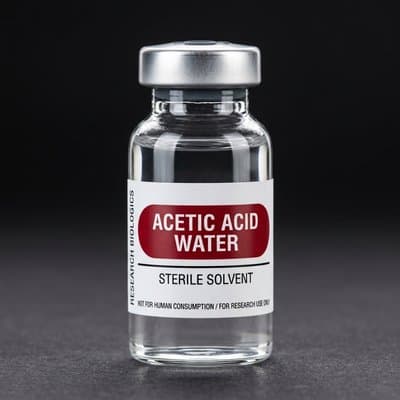
Sterile bacteriostatic water for safe, multi-use peptide reconstitution.
Per Flacone
da$4.5
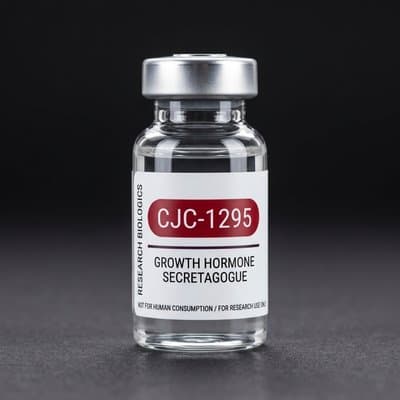
The #1 prescribed growth hormone stack — maximum release with minimal sides.
Per Flacone
da$20
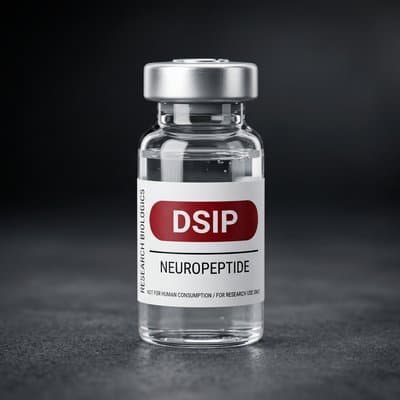
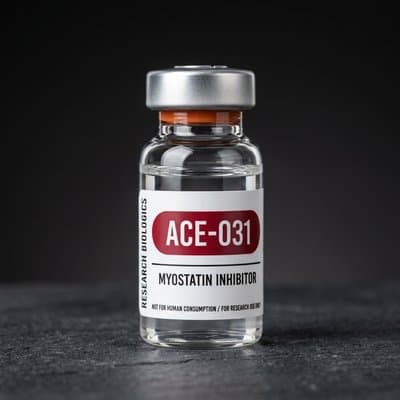
Powerful myostatin inhibitor for accelerating muscle growth and tissue repair.
Per Flacone
da$16
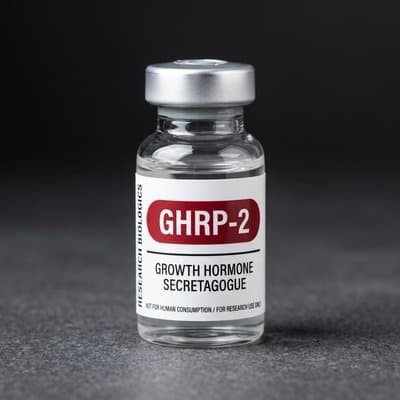
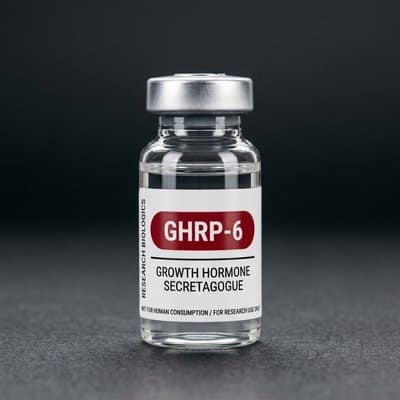
Aggressive GH secretagogue that dramatically boosts appetite and muscle growth.
Per Flacone
da$14
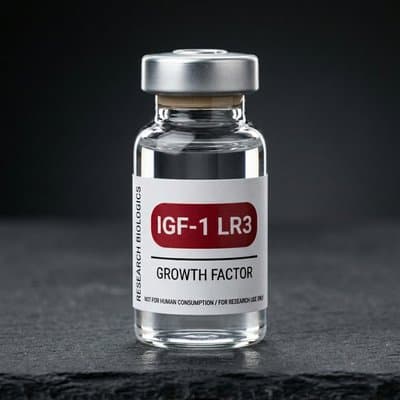
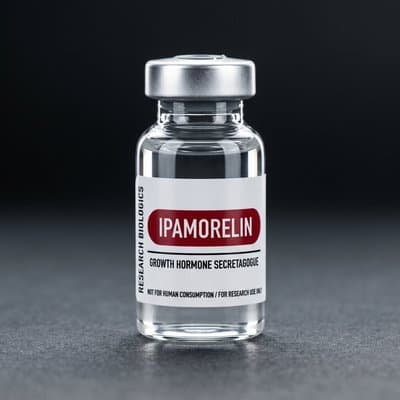
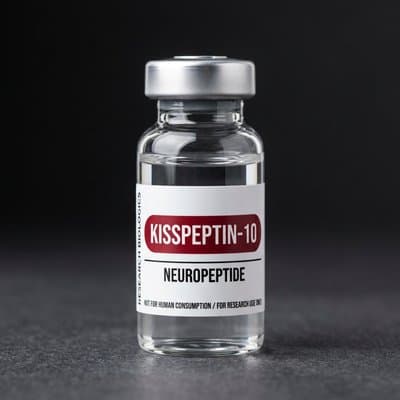
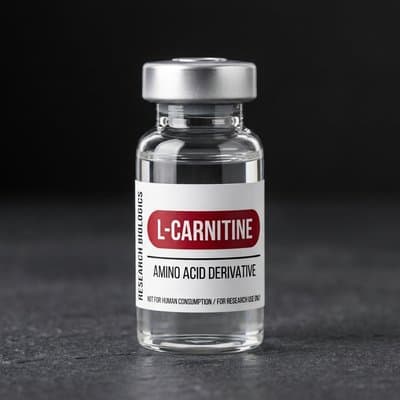
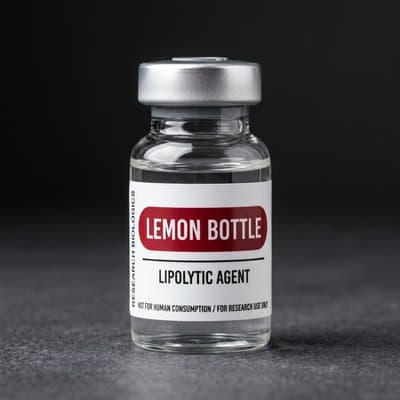
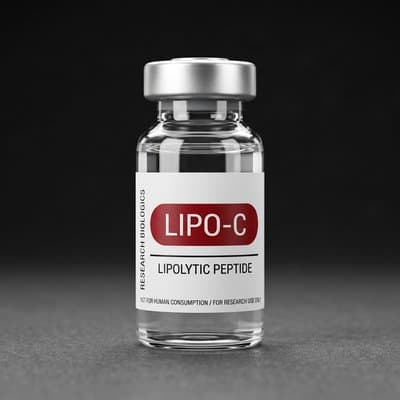
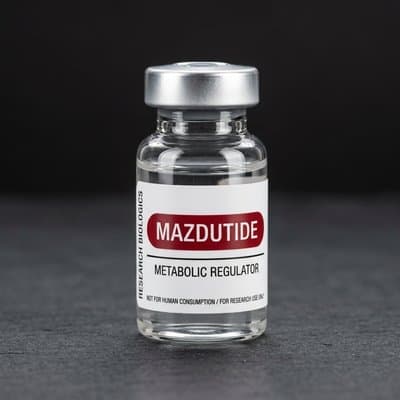
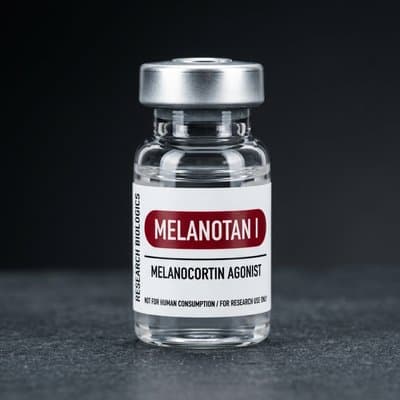
Next-gen triple agonist — the most advanced fat-burning peptide available.
Per Flacone
da$19
The original blockbuster GLP-1 — proven, trusted, and highly effective.
Per Flacone
da$15
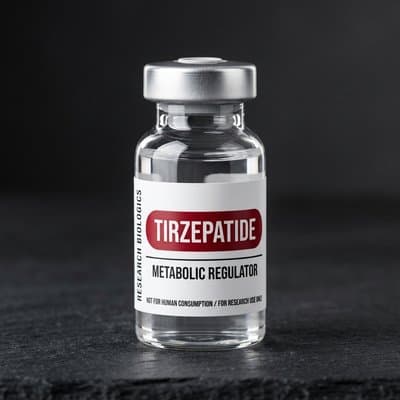
Dual GIP/GLP-1 agonist — the most powerful fat-loss peptide on the market.
Per Flacone
da$17
I peptidi vengono distribuiti come polvere liofilizzata sotto vuoto per garantirne la stabilità durante il trasporto. Per prepararli alla ricerca, è necessario aggiungere delicatamente acqua batteriostatica sterile facendola scivolare lungo le pareti del flacone per evitare di danneggiare la struttura molecolare.
10 flaconi
$240.00